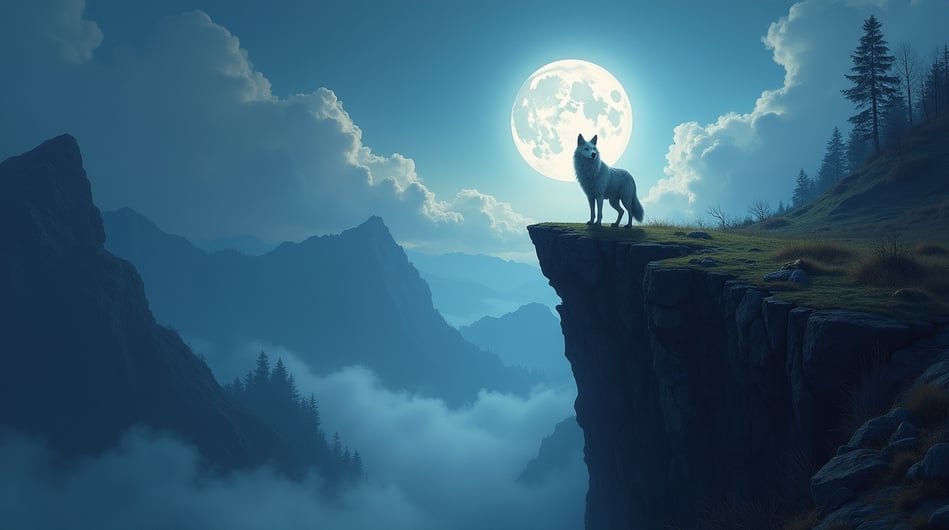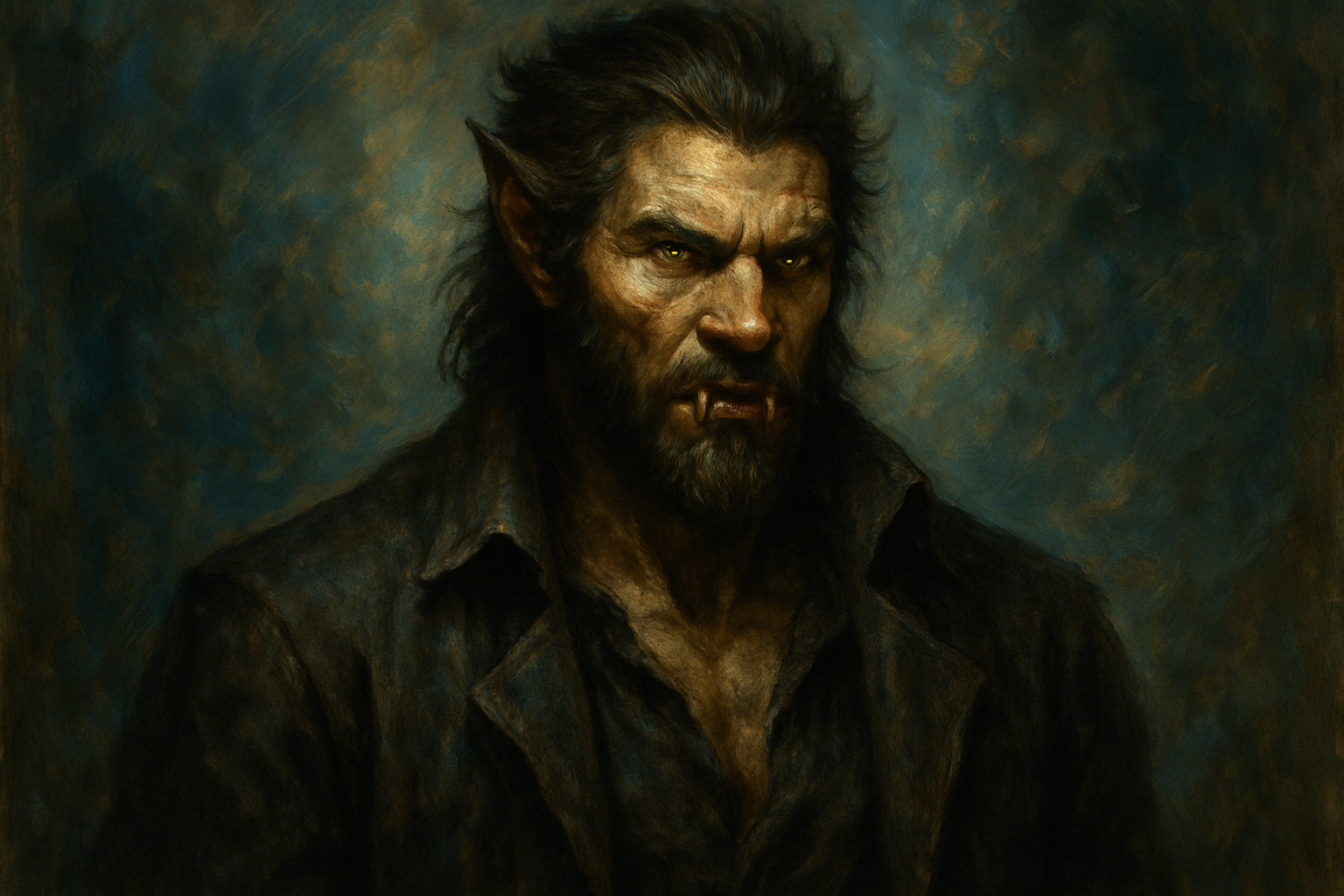
The Eternal Moonlit Howl: From Myth to Modern Fantasy
Unearth the secrets of werewolves through myth, legend, and fantasy fiction. From Greek gods to modern bestsellers, explore how the wolf within has shaped storytelling for millennia.
Werewolves, those enigmatic creatures of shadow and moonlight, have prowled the human imagination for thousands of years. Their story is a tapestry woven from ancient curses, divine wrath, heroic sagas, and dark folklore. They embody the eternal struggle between man and beast, civilization and savagery, the known and the mysterious. To trace the evolution of the werewolf is to embark on a journey through the very soul of storytelling itself.
Ancient Beginnings: The Birth of the Lycanthrope Myth
The earliest whispers of human-to-wolf transformation echo from the dawn of civilization. In the ancient Mesopotamian Epic of Gilgamesh, the goddess Ishtar curses a shepherd to become a wolf, a punishment born of scorn and divine fury. This tale, etched in the annals of history over four millennia ago, marks the genesis of lycanthropy in human storytelling. The shepherd, once a humble figure, is transformed into a beast, forever exiled from the world of men—a fate that would be echoed in countless myths and legends across the globe.
The Greeks, masters of myth and metaphor, gave us the very word “lycanthropy,” derived from lykos (wolf) and anthropos (human). The legend of King Lycaon of Arcadia is a chilling testament to divine retribution. After serving human flesh to Zeus in a grotesque test of the god’s omniscience, Lycaon is transformed into a wolf, condemned to roam as a beast for his hubris. This myth is rich in irony and horror, for it is not only a punishment but a reflection of the king’s own savagery, now made manifest in his new form. The Greeks also spoke of the Arcadian cult of Zeus Lycaeus, where initiates underwent rituals that blurred the line between man and wolf, hinting at a deeper, more mystical connection between the two.
Herodotus, the father of history, chronicled the Neuri, a tribe said to transform into wolves annually, blurring the lines between ritual and reality. The Neuri would don wolf pelts and disappear into the wilderness, returning days later as if from a dream. Whether this was literal shapeshifting or symbolic ritual remains tantalizingly unclear, but the story endures as one of the earliest examples of lycanthropy as a communal, almost sacred experience.
Norse Valor and Medieval Nobility: The Werewolf’s Evolution
The Norse sagas introduced a warrior’s perspective to lycanthropy, transforming it from a curse into a source of power. The Saga of the Volsungs tells of Sigmund and his son Sinfjötli, who discover magical wolf pelts that grant them lupine strength and form for ten days. Unlike the cursed victims of Greek myth, these heroes choose to embrace their wolf nature, using it to outwit enemies and survive in a harsh world. Their transformation is not a punishment, but a gift—one that comes with its own dangers, as the wolf’s mind threatens to overtake the man’s reason.
This theme of voluntary transformation would echo through the centuries, inspiring countless tales of warriors and shamans who could take on the form of beasts. The Norse werewolf is a figure of ferocity and cunning, a symbol of the wild power that lies within every hero.
Medieval Europe reimagined the werewolf as a tragic figure of nobility and sorrow. The 12th-century French lai Bisclavret narrates the plight of a noble knight betrayed by his wife, cursed to live as a wolf yet retaining his human honor and gentleness. This era’s werewolves were not mindless beasts but complex beings caught between worlds, reflecting the era’s theological and moral struggles. The knight, though transformed, remains virtuous and loyal, a stark contrast to the treachery of those who cursed him.
Medieval literature is filled with such tales of cursed nobility, where the werewolf is a victim of fate or malice, rather than a monster by choice. The Church, ever suspicious of the supernatural, struggled to reconcile these stories with its teachings. Some theologians dismissed lycanthropy as mere illusion or madness, while others saw it as a sign of divine punishment or demonic influence. This tension between faith and folklore would shape the werewolf’s place in the medieval imagination, making it a symbol of both the wild and the holy.
The dark shadow of werewolf trials from the 15th to 18th centuries looms large in the history of lycanthropy. The infamous case of Peter Stumpp, executed in 1589 after confessing to demonic pacts and cannibalism, exemplifies the fear and superstition that fueled persecution. Stumpp’s trial was a spectacle of horror, with lurid tales of murder, witchcraft, and bestial transformation. These grim histories have seeped into fantasy literature, enriching its themes of otherness, persecution, and the monstrous within.
The Literary Pack: Werewolves in Modern Fantasy
Fantasy literature has embraced the werewolf’s duality, transforming it from mere monster to multifaceted character. Modern narratives explore identity, belonging, and the primal instincts lurking beneath the veneer of civilization. The werewolf is no longer just a beast to be feared or hunted, but a complex individual struggling to reconcile two natures—one human, one animal.
The concept of the “beast-mind”—where transformation alters not just the body but the psyche—adds depth to werewolf characters, allowing authors to delve into internal conflicts and moral ambiguity. In some stories, the wolf’s mind is a separate entity, battling the human for control. In others, it is an aspect of the self, suppressed or unleashed by the transformation. This psychological complexity makes the werewolf a powerful metaphor for the human condition, reflecting our own struggles with identity, desire, and the unknown.
Pack dynamics, popularized by authors like Patricia Briggs, introduce intricate social hierarchies and relationships, blending ancient instincts with contemporary themes of loyalty, power, and family. The pack is not just a group of wolves, but a microcosm of society, with its own rules, rivalries, and rituals. Werewolf fiction often explores the tension between the individual and the group, the desire for freedom and the need for belonging. These stories are as much about politics and power as they are about transformation and terror.
Transformation scenes have become a hallmark of werewolf fiction, described with agonizing detail or as a liberating release. Some authors focus on the pain of bones breaking and skin stretching, while others emphasize the exhilaration of shedding human constraints. The full moon, while not universal in folklore, has become the dominant trigger, though many stories innovate with emotional stress, magical influence, or voluntary control. The act of transformation is often a moment of crisis or revelation, a turning point in the character’s journey.
Silver and Other Myths: Debunking Werewolf Weaknesses
Contrary to popular belief, silver bullets are a modern invention, popularized by 20th-century cinema. Traditional folklore rarely mentions silver as a weakness. Werewolves could traverse holy ground and resist religious symbols, making them formidable and mysterious. In fact, killing a werewolf in folklore was notoriously difficult, sometimes impossible, depending on the source of their condition. Some tales required the death of the one who created the werewolf, while others made the condition permanent, a fate to be endured rather than escaped.
The search for a cure varies widely in literature. Some stories require reclaiming stolen garments, others the death of the progenitor, and some accept lycanthropy as an irreversible fate. This ambiguity allows authors to explore themes of acceptance, identity, and transformation. The most compelling works use the search for a cure as a central theme, asking whether werewolves truly wish to be “normal” or have found something valuable in their dual nature.
The Werewolf in Global Mythology
Beyond Europe, werewolf-like creatures appear in cultures around the world. In Japan, the kitsune and tanuki are shapeshifters, though not always wolves. In Native American traditions, skin-walkers can take the form of animals, including wolves, to wield dark power. In Africa, stories of werehyenas and leopard men echo the same fears of transformation and the unknown. These global myths enrich the tapestry of werewolf lore, showing that the fear and fascination with shapeshifting is a universal human experience.
Essential Werewolf Literature: A Curated Compendium
For those eager to explore the rich tapestry of werewolf fiction, here is an expanded list of seminal works:
Classic Foundations
- Bisclavret by Marie de France (12th century): A noble werewolf’s tale of honor and betrayal.
- The Were-Wolf by Clemence Housman (1896): Victorian Gothic exploring psychological depths.
Modern Masterworks
- Cycle of the Werewolf by Stephen King (1983): A chilling psychological horror set in a small town.
- The Last Werewolf by Glen Duncan (2011): A profound meditation on immortality and identity, following the last surviving werewolf.
- Mongrels by Stephen Graham Jones (2016): A fresh, American take on lycanthropy, following a family of itinerant werewolves.
Urban Fantasy Excellence
- Moon Called by Patricia Briggs (2006): Complex pack politics and supernatural intrigue, featuring mechanic and coyote shapeshifter Mercy Thompson.
- Bitten by Kelley Armstrong (2001): The struggles of the world’s only female werewolf, Elena Michaels, as she navigates love, loyalty, and the supernatural world.
- Sharp Teeth by Toby Barlow (2008): A poetic, free-verse exploration of urban werewolf packs in Los Angeles.
Contemporary Standouts
- Red Moon by Benjamin Percy (2013): A werewolf pandemic with political undertones, exploring fear, prejudice, and the nature of power.
- Such Sharp Teeth by Rachel Harrison (2022): A blend of body horror and romantic comedy, following a woman who must navigate lycanthropy and family secrets.
- When We Were Animals by Joshua Gaylord (2015): A coming-of-age story set in a town where teenagers turn feral during full moons, exploring adolescence and transformation.
Series Worth Sinking Your Teeth Into
- Alpha and Omega Series by Patricia Briggs: Dominance and rarity in werewolf society, following Charles Cornick and Anna Latham as they navigate supernatural politics and romance.
- Anita Blake Series by Laurel K. Hamilton: Necromancer Anita Blake navigates relationships with both vampires and werewolves, blending horror, mystery, and romance.
- Lonely Werewolf Girl Series by Martin Millar: Scottish werewolf aristocracy in modern settings, filled with humor, drama, and supernatural intrigue.
The Enduring Allure of the Werewolf
The werewolf endures as one of fantasy’s most compelling archetypes because it speaks to something primal within us all. It is a symbol of transformation, of the wildness that lurks beneath civilization, and of the eternal struggle between our better and baser natures. From ancient myths to modern novels, the werewolf’s journey is a mirror of our own—a reminder that the line between man and beast is not so clear as we might like to believe.
Links & Sources
The Legend of Lycanthropy – Werewolves – The Westport Library
https://westportlibrary.libguides.com/werewolves
Werewolf – Wikipedia
https://en.wikipedia.org/wiki/Werewolf
The ancient origins of werewolves – The Conversation
https://theconversation.com/the-ancient-origins-of-werewolves-104775
Werewolf | Names, Movies, Real, Weaknesses, & Syndrome – Britannica
https://www.britannica.com/art/werewolf
Ancient Spookiness II: Werewolves – historiai
https://danielbunruh.wordpress.com/2017/10/15/ancient-spookiness-ii-werewolves/
German Werewolf Myths: The Wolf of Ansbach
https://talesfromdavidstown.com/german-werewolf-myths-the-wolf-of-ansbach/
Werewolf fiction – Wikipedia
https://en.wikipedia.org/wiki/Werewolf_fiction
Any good werewolf book suggestions? : r/Fantasy – Reddit
https://www.reddit.com/r/Fantasy/comments/69pyl5/any_good_werewolf_book_suggestions/
Werewolf Stories and Mythology from Around the World
https://talesfromdavidstown.com/werewolf-stories-and-mythology-from-around-the-world/
Werewolves in Medieval Europe
https://medievalhistory.info/werewolves-in-medieval-europe/
The Medieval Werewolf – University of Warwick
https://warwick.ac.uk/fac/arts/ren/researchcurrent/researchblog/werewolf/
Werewolves of Ossory – Wikipedia
https://en.wikipedia.org/wiki/Werewolves_of_Ossory
A German werewolf’s ‘confessions’ horrified 1500s Europe – National Geographic
https://www.nationalgeographic.com/history/history-magazine/article/a-german-werewolfs-confessions-horrified-1500s-europe
10 Werewolf Novels to Sink Your Teeth Into
https://talesfromdavidstown.com/10-werewolf-novels-to-sink-your-teeth-into/
7 Unexpected Aspects of Werewolf Transformation – Galatea
https://galatea.com/h/blog/7-unexpected-aspects-of-werewolf-transformation/
Werewolves as Noble Knights – Maverick-Werewolf’s
https://maverickwerewolf.com/werewolf-facts/werewolves-as-noble-knights/
Patricia Briggs – Wikipedia
https://en.wikipedia.org/wiki/Patricia_Briggs
Why I Broke Up with Anita Blake – Fantasy Faction
https://fantasy-faction.com/2011/anita-blake
Top 21st Century Werewolf Narratives
https://www.opengravesopenminds.com/critical-thoughts/top-21st-century-werewolf-narratives/
10 Best Werewolf Romance Books to Read in 2024 – Storizen
https://www.storizen.com/books/10-best-werewolf-romance-books-to-read-in-2024/
Top 12 Classic Werewolf Romance Books of All Times – Dreame
https://www.dreame.com/resources/top-12-classic-werewolf-romance-books-of-all-times.html
The Science of Fiction Q&A – Werewolf Transformation – Wattpad
https://www.wattpad.com/658486102-the-science-of-fiction-q-a-werewolf-transformation
Werewolf Transformation in the Manuscript Era – Academia.edu
https://www.academia.edu/9641760/Werewolf_Transformation_in_the_Manuscript_Era
Complexities of Pack Dynamics – Patricia Briggs
https://www.hurog.com/wiki/pack_dynamics
Is there an equivalent to Van Helsing in the werewolf world? – Reddit
https://www.reddit.com/r/werewolves/comments/q5q3bc/is_there_an_equivalent_to_van_helsing_in_the/
Silver – Maegan A. Stebbins – Maverick-Werewolf’s
https://maverickwerewolf.com/werewolf-facts/silver/
Can lycanthropy be cured? : r/werewolves – Reddit
https://www.reddit.com/r/werewolves/comments/pt04d6/can_lycanthropy_be_cured/
Best Werewolves Books of 2024 – Risingshadow
https://www.risingshadow.net/searchlist/werewolves/2024
Best Werewolf Novels In 2024 – TheGamer
https://www.thegamer.com/best-werewolf-novels/
Women of the Otherworld – Wikipedia
https://en.wikipedia.org/wiki/Women_of_the_Otherworld
An Anthology of Victorian Werewolf Fiction, 1838-1896
https://www.valancourtbooks.com/terrifying-transformations.html
Popular Werewolf Horror Books – Goodreads
https://www.goodreads.com/shelf/show/werewolf-horror
Werewolf Book Recommendations // Best Paranormal Romance
https://www.youtube.com/watch?v=1Tb0ZYHqVbQ
7 Howlingly Good Werewolf Books – Electric Literature
https://electricliterature.com/7-howlingly-good-werewolf-books/