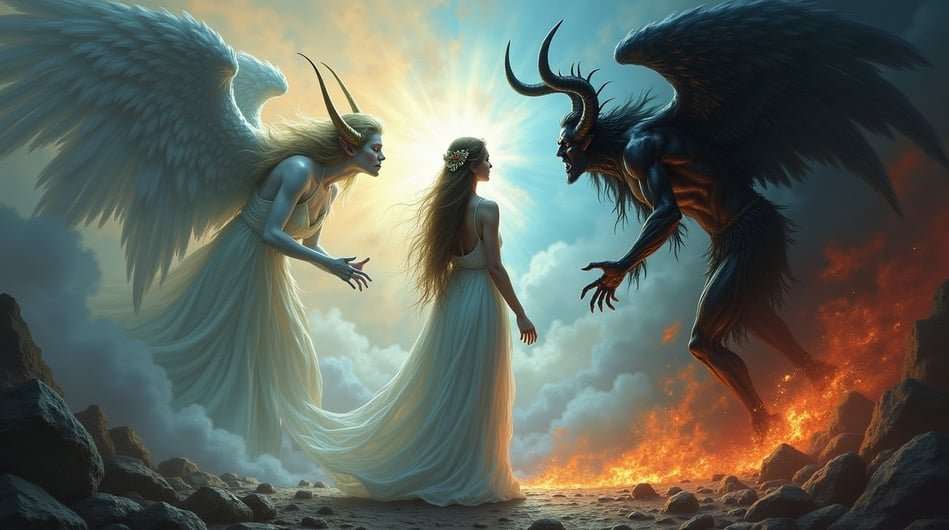
Step into the shadowy corridors of fantasy literature where ancient tropes hold court alongside modern reinventions. Discover the secret schemes that have shaped our favorite tales—from the Chosen One’s reluctant journey to the enemies who dare to love across battle lines. This comprehensive guide reveals the mystical patterns that define fantasy, their historical origins, and the rebellious authors who dare to break the sacred rules. Whether you seek traditional comfort or revolutionary twists, these arcane literary devices hold the keys to understanding why certain stories capture our souls while others merely occupy our shelves.
Fantasy literature operates on a foundation of recurring patterns that have evolved from the earliest myths and legends into the sophisticated narratives we devour today. These archetypal schemes—what scholars politely call “tropes”—are far more than mere formulaic devices. They represent the collective unconscious of storytelling itself, refined across millennia of human imagination and refined to an art form that borders on the supernatural. The irony, of course, is that these supposedly predictable patterns continue to ensnare readers with the efficiency of a well-crafted magical trap. Whether it’s the reluctant farmboy discovering his destiny or the bitter enemies whose hatred transforms into something infinitely more dangerous, these tropes persist because they tap into fundamental human experiences and desires.
The Chosen One: When Destiny Comes Knocking (Usually at the Worst Possible Time)
Perhaps no trope has shouldered more responsibility—or attracted more criticism—than the Chosen One archetype. This ancient pattern, which predates fantasy literature itself, emerged from humanity’s earliest stories and religious traditions. The concept appears in everything from Arthurian legends to religious scriptures, representing humanity’s eternal fascination with the idea that someone, somewhere, is destined for greatness.
The Chosen One trope operates on a deceptively simple premise: a seemingly ordinary individual possesses unique qualities, heritage, or destiny that makes them the only person capable of resolving a cosmic crisis. What makes this pattern so enduring is its psychological appeal—it transforms the mundane into the extraordinary, suggesting that any of us might harbor hidden potential waiting to be awakened.
Historical Origins and Evolution
The roots of the Chosen One extend deep into mythology and folklore. From the biblical David facing Goliath to the Norse sagas of unlikely heroes, the pattern has been refined across cultures and centuries. The modern fantasy interpretation, however, owes much to J.R.R. Tolkien’s influence, though the trope has evolved significantly since Middle-earth.
Modern interpretations have grown increasingly sophisticated, often subverting the traditional narrative. Brandon Sanderson’s Mistborn series deliberately plays with reader expectations, while Patrick Rothfuss’s Name of the Wind questions whether the legendary hero might be as much burden as blessing. These contemporary works recognize that modern readers have become too savvy to accept the straightforward “destiny equals instant competence” formula.
Essential Reading for Chosen One Enthusiasts
For those seeking the comfort of traditional execution, Harry Potter remains the gold standard, seamlessly blending classical elements with modern sensibilities. Robert Jordan’s Wheel of Time offers a more complex take, examining the psychological toll of prophesied greatness, while Ursula K. Le Guin’s Earthsea provides a masterclass in how the trope can address themes of responsibility and balance.
From Enemies to Lovers: The Delicious Alchemy of Hatred and Desire
The Enemies to Lovers trope represents one of fantasy’s most psychologically complex patterns, transforming animosity into attraction through a delicate dance of character development and emotional revelation. This scheme operates on the principle that nothing creates more compelling romantic tension than forcing two characters to overcome genuine ideological differences while discovering their fundamental compatibility.
Ancient Foundations
The trope’s literary ancestry can be traced to Geoffrey Chaucer’s “The Wife of Bath’s Tale” from the 14th century, where a knight’s relationship with an otherworldly woman exemplifies the pattern. Sir Thomas Malory’s “Le Morte d’Arthur” (1485) further refined the concept with Gareth and Lynette’s relationship, establishing many conventions that persist today.
What sets fantasy’s interpretation apart from other genres is the additional layer of supernatural stakes. When enemies possess literal magical power, their conflict—and subsequent transformation—carries weight beyond personal drama. The magical elements allow for unique meeting grounds impossible in mundane settings, from enchanted forests to mystical academies.
Modern Masterpieces
Contemporary fantasy has elevated this trope to an art form. Sarah J. Maas’s A Court of Thorns and Roses demonstrates how the pattern can explore themes of trauma and healing, while Leigh Bardugo’s Six of Crows showcases how enemies-to-lovers dynamics can develop within ensemble casts. Shelby Mahurin’s Serpent & Dove brilliantly subverts expectations by pairing a witch with a witch hunter, creating authentic ideological conflict that must be resolved through genuine character growth.
For readers seeking more traditional approaches, Tasha Suri’s The Jasmine Throne offers a lush, culturally rich backdrop for the classic pattern, while C.L. Clark’s The Bridge Kingdom provides political intrigue alongside romantic development.
The Mentor: Wisdom, Sacrifice, and the Inevitable Farewell
The Mentor archetype serves as one of fantasy’s most crucial supporting characters, providing guidance, wisdom, and—unfortunately—a remarkably high mortality rate. These figures represent the transfer of knowledge from one generation to the next, often paying the ultimate price for their dedication to their students’ growth.
The Classical Framework
The mentor tradition stems from Homer’s Odyssey, where the goddess Athena assumes the guise of Mentor to guide Telemachus. This established the pattern of supernatural wisdom being channeled through seemingly ordinary advisors, a concept that would prove foundational to fantasy literature.
Modern fantasy mentors fall into several distinct categories. The Classic Mentor (think Gandalf or Dumbledore) provides wisdom and guidance before inevitably departing when their student must face the ultimate challenge alone. The Reluctant Mentor brings cynicism and emotional complexity to the role, often struggling with their own failures before accepting responsibility for a new student.
Contemporary Variations
Authors have grown increasingly creative with mentor relationships. Brandon Sanderson’s Mistborn features mentors who must work within rigid magical systems, while N.K. Jemisin’s Broken Earth trilogy presents mentors whose guidance comes at a terrible personal cost. The Scary Mentor archetype, exemplified by characters like Brom from Eragon, challenges students through harsh but necessary lessons.
The Dark Lord: When Evil Wears a Crown
The Dark Lord represents fantasy’s ultimate expression of corrupted power, serving as both antagonist and symbol of what heroes must overcome. These figures embody more than mere villainy—they represent the perversion of authority, the consequences of unchecked ambition, and the eternal struggle between order and chaos.
Mythological Foundations
The Dark Lord archetype extends back to humanity’s earliest stories, from the dragon Huwawa in the Epic of Gilgamesh (c. 2001 B.C.) to the serpent in the Garden of Eden. These ancient figures established the template: a powerful entity whose very existence threatens the natural order, requiring heroic intervention to restore balance.
Modern fantasy has refined this concept through figures like Tolkien’s Sauron, who established many conventions still used today. The effective Dark Lord operates from a position of terrifying competence, possessing both the power and intelligence to pose a genuine threat to protagonists and their world.
Evolution and Subversion
Contemporary fantasy has grown more sophisticated in its approach to ultimate evil. George R.R. Martin’s A Song of Ice and Fire deconstructs the archetype by presenting multiple candidates for the role, while Brandon Sanderson’s various works explore how Dark Lords might emerge from understandable motivations. The most effective modern Dark Lords possess complex backstories that make their evil feel earned rather than arbitrary.
Ancient Evils and Awakening Threats
The Ancient Evil trope represents one of fantasy’s most atmospheric patterns, where threats that predate civilization itself stir from centuries of slumber. These dormant dangers provide a sense of deep history and cosmic stakes that elevate conflicts beyond mere political or personal disputes.
The Appeal of Antiquity
Ancient evils work because they tap into primal fears about the unknown and uncontrollable. Unlike contemporary villains with understandable motivations, these threats represent chaos in its purest form—forces so alien or corrupt that negotiation becomes impossible. They provide clear moral stakes: these enemies must be defeated because they cannot be reasoned with.
The trope also allows authors to explore themes of inevitability and cyclical history. When evil has awakened before, heroes must learn from past failures while confronting the possibility that their victory might only be temporary.
Modern Implementations
Robert Jordan’s Wheel of Time masterfully employs this pattern with the Dark One, while J.R.R. Tolkien’s Middle-earth presents multiple layers of ancient threat, from Sauron to the Balrog. Contemporary works like N.K. Jemisin’s Broken Earth trilogy subvert the trope by questioning whether the “ancient evil” might have justifiable grievances against the world that imprisoned it.
The Farmboy Hero: Humble Beginnings and Unlikely Destinies
The Farmboy Hero trope represents fantasy’s most democratic promise—that greatness can emerge from the most ordinary circumstances. This pattern deliberately chooses protagonists from agricultural backgrounds, providing both practical and symbolic advantages that have made it a genre staple.
Practical Storytelling Functions
Farmboy heroes serve multiple narrative purposes. Their rural origins provide physical competence (farming builds muscles), social isolation (they’re unfamiliar with broader political dynamics), and moral clarity (they haven’t been corrupted by urban sophistication). Most importantly, they serve as audience surrogates, learning about their world alongside readers.
The trope’s persistence stems from its flexibility—it can be applied to any historical period where agriculture dominated, making it suitable for everything from medieval fantasy to futuristic dystopias. The pattern also provides clear character arc potential, as humble origins offer maximum room for growth and development.
Historical Examples and Modern Adaptations
Luke Skywalker remains the most famous recent example, though the pattern extends back through Rand al’Thor from Wheel of Time to Garion from The Belgariad. Modern authors have grown more aware of the trope’s limitations, often subverting it by making their “farmboy” more competent or politically aware than traditional examples suggest.
Prophecies: The Weight of Predetermined Fate
The Prophecy trope provides fantasy literature with its most complex relationship between fate and free will. These mystical predictions serve as both plot drivers and philosophical frameworks, questioning whether characters truly have agency or merely fulfill predetermined roles.
The Paradox of Prophetic Narrative
Prophecies create a fundamental tension in storytelling—they promise that certain events will occur while simultaneously building suspense about how those events will unfold. The most effective prophecies are sufficiently ambiguous to allow for multiple interpretations, creating genuine uncertainty about their ultimate meaning.
The trope also explores deeper questions about destiny and choice. When characters know their fate, do their actions matter? Can prophecies be subverted, or do attempts to avoid them actually bring them about? These philosophical implications have made prophecies a favorite device for exploring themes of agency and responsibility.
Contemporary Approaches
Modern fantasy has grown increasingly sophisticated in its handling of prophecies. George R.R. Martin’s A Song of Ice and Fire presents multiple competing prophecies, while Brandon Sanderson’s Mistborn uses prophecy as a deliberate red herring. The most successful contemporary uses acknowledge readers’ familiarity with the trope while finding new ways to make prophetic fulfillment feel genuinely surprising.
Found Family: When Blood Proves Thicker Than Water Is Optional
The Found Family trope has emerged as one of fantasy’s most emotionally resonant patterns, exploring how individuals can create meaningful familial bonds outside traditional structures. This scheme recognizes that family is as much about choice and commitment as it is about genetics.
Emotional Resonance and Modern Appeal
Found families work because they address contemporary anxieties about belonging and acceptance. In a world where traditional family structures are increasingly varied, stories that validate chosen relationships provide both comfort and hope. The trope suggests that we are not trapped by our origins—we can find our true family among those who share our values and dreams.
Fantasy provides an ideal setting for found family dynamics because the genre’s typical quest structure naturally brings together diverse characters who must rely on each other for survival. Over time, these practical alliances can evolve into genuine emotional bonds.
Exemplary Works
Leigh Bardugo’s Six of Crows represents the gold standard for found family execution, showing how a group of criminals can become a genuine family unit. T.J. Klune’s The House in the Cerulean Sea demonstrates how the trope can work in more domestic settings, while The Lies of Locke Lamora shows how found family can survive even the most challenging circumstances.
Breaking the Sacred Rules: Books That Subvert Traditional Tropes
The most interesting contemporary fantasy often comes from authors who understand the rules well enough to break them effectively. These works acknowledge reader expectations while deliberately subverting them, creating fresh experiences within familiar frameworks.
Innovative Subversions
Tamsyn Muir’s Gideon the Ninth transforms the chosen one narrative into a necromantic comedy that defies easy categorization. Olivie Blake’s The Atlas Six deconstructs the magical academy trope by populating it with genuinely morally ambiguous characters who might not deserve their power. Kazuo Ishiguro’s The Buried Giant approaches fantasy through the lens of literary fiction, creating something that feels both familiar and entirely new.
Modern Standouts
N.K. Jemisin’s Broken Earth trilogy revolutionizes the ancient evil trope by questioning whether the imprisoned force might be justified in its anger. Becky Chambers’ A Long Way to a Small, Angry Planet subverts the quest narrative by making the journey more important than the destination. Lev Grossman’s The Magicians series explicitly engages with fantasy tropes while exploring what happens when magic fails to solve real-world problems.
The Future of Fantasy Schemes
As fantasy continues to evolve, new tropes emerge while traditional ones undergo constant reinterpretation. The rise of romantasy has created new hybrid patterns that blend romance conventions with fantasy elements, while cozy fantasy has developed its own set of comfort-focused tropes.
The most successful contemporary fantasy recognizes that readers have become increasingly sophisticated in their understanding of genre conventions. The challenge for modern authors lies not in avoiding tropes entirely—an impossible task—but in finding fresh ways to make familiar patterns feel new and meaningful.
Whether you prefer the comfortable embrace of traditional tropes or the electric shock of subversion, fantasy’s greatest strength lies in its ability to make the impossible feel inevitable. These archetypal patterns persist because they address fundamental human concerns about identity, belonging, power, and purpose. In a world that often feels chaotic and meaningless, fantasy tropes provide structure, meaning, and the comforting promise that heroes can still emerge from the most unlikely places.
The magic, it seems, was never in the spells—it was in the stories themselves.
LINKS & SOURCES
5 Books Featuring The Chosen One Trope – Simone and Her Books
https://simoneandherbooks.com/2022/05/10/5-books-featuring-the-chosen-one-trope/
20 of the Best Enemies-to-Lovers Fantasy Books | Book Riot
https://bookriot.com/best-enemies-to-lovers-fantasy-books/
7 Plot Structures for Outlining a Masterful Fantasy Novel
https://ojevensen.com/7-plot-structures-for-outlining-a-masterful-fantasy-novel/
10 Fantasy Books With Magic Systems So Intricate, They’ll Blow Your Mind
https://www.timesnownews.com/lifestyle/books/features/10-fantasy-books-with-magic-systems-so-intricate-theyll-blow-your-mind-article-117109940
The Mentor Archetype in Fiction – A Place of Intent
https://www.aplaceofintent.co.uk/blog/the-mentor-archetype-in-fiction-what-it-is-how-to-write-one-examples
Top Most Terrifying Villains in Fantasy Fiction – Jon Cronshaw
https://joncronshaw.com/2023/07/04/the-10-fantasy-villains-that-define-the-genre/
6 Common Classic Fantasy Tropes
https://fantasyfictionfanatics.net/6-common-classic-fantasy-tropes/
Tropes 001 – Why is it Always a Farm Boy – steelstashwriting
https://steelstashwriting.com/2018/02/19/tropes-001-why-is-it-always-a-farm-boy/
Fantasy Cliché #5 – The Overwhelming Ancient Evil – Joseph Finley
https://authorjosephfinley.com/2012/04/fantasy-cliche-5-the-overwhelming-ancient-evil/
12 Must-Read Fantasy Books That Defined 2024
https://www.timesnownews.com/lifestyle/books/features/12-must-read-fantasy-books-that-defined-2024-article-116201029
10 Fantasy Books That Break Every Rule and Still Leave You Spellbound
https://www.timesnownews.com/lifestyle/books/features/10-fantasy-books-that-break-every-rule-and-still-leave-you-spellbound-article-151486335
Making Formulas Fresh Again: A Reading List of Fantasy Tropes Reimagined
https://lithub.com/making-formulas-fresh-again-a-reading-list-of-fantasy-tropes-reimagined/
Trope Tuesday: Found Family – Pub Club Online
https://websites.emerson.edu/undergraduate-students-publishing/2023/04/12/trope-tuesday-found-family/
Hide No More: The Masquerade Trope in Fantasy Fiction
https://jmassat.com/2022/08/10/hide-no-more-the-cover-up-trope-in-fantasy-fiction-and-how-elatsoe-kills-it/
Hidden Magical Worlds | Kirkus Reviews
https://www.kirkusreviews.com/news-and-features/articles/hidden-magical-worlds/